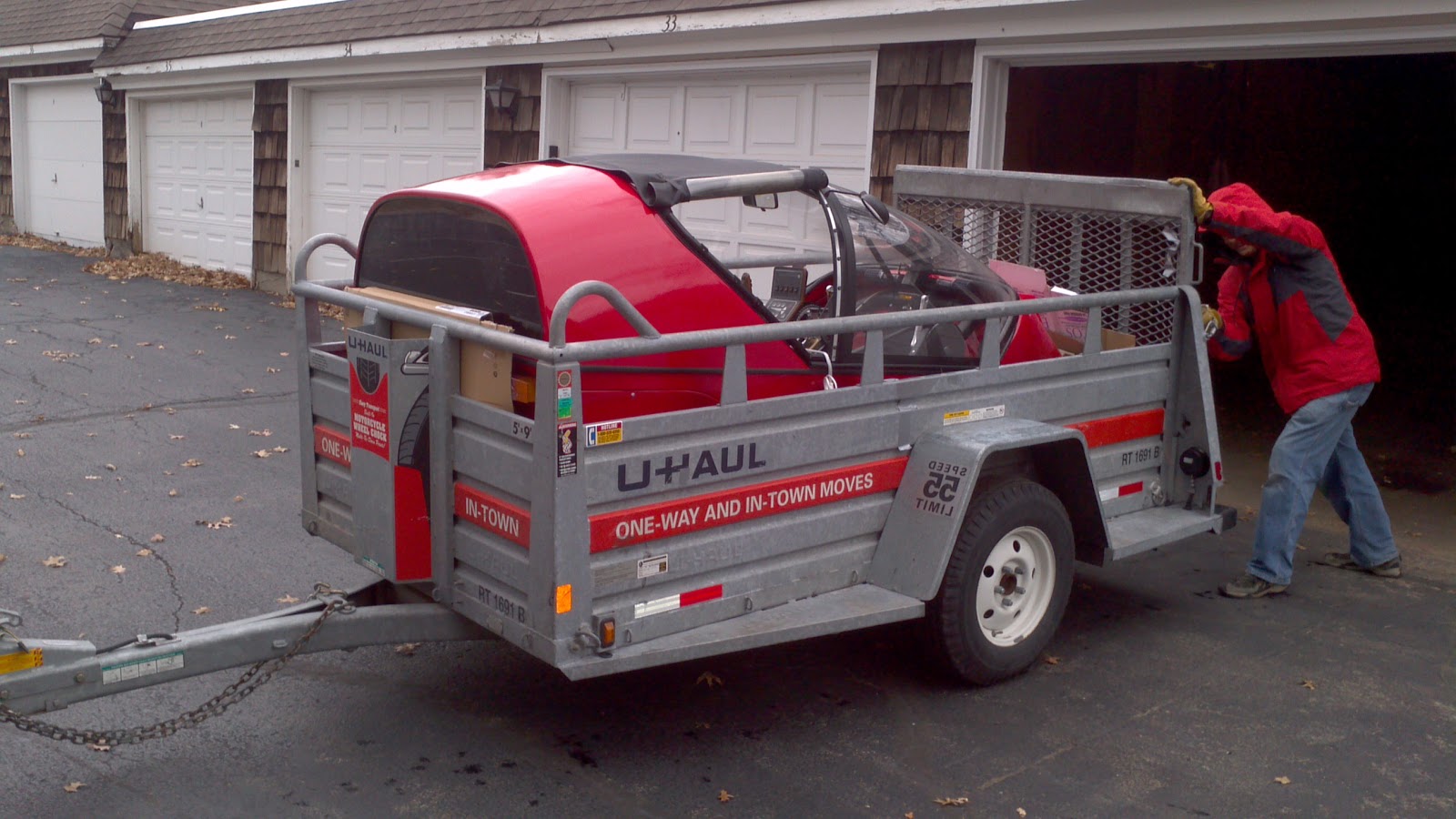
With a little guidance and some prior knowledge of the technology, I engaged on a journey to put together 2 new battery packs. Each pack has 280 "C" cell batteries and they need to be integrated with the Battery Management System "BMS".
After searching through multiple sites and pricing out my options. I found a price I could manage and decided to rebuild the packs. I hit a few barriers like " How do you assemble 280 batteries into a single solid pack" and " Does the BMS really work" and "How to install thermal fuses... "
I was able to contact a few people my Hacker Space and they were enthralled to help me in the assembly of the pack (and getting the vehicle back on the road)
Few things in the reassembly that I chose to do to make things easier:
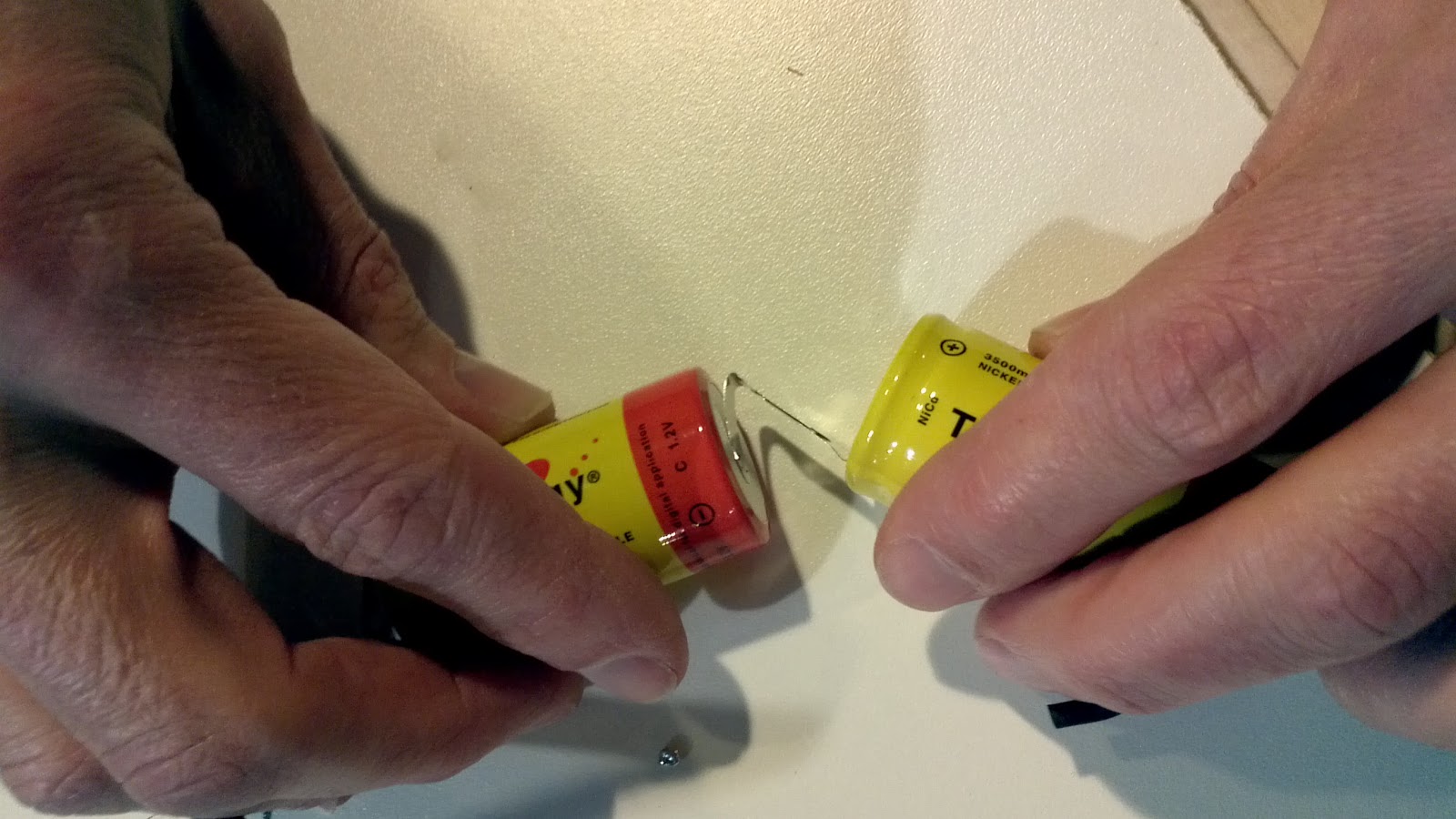
1. Get the batteries "With Tabs" so that I wouldn't have to weld the tabs to the batteries. I do not have the proper tools to do that, but it wouldn't be difficult if I did. It all just takes time.
2. Put COMPLETE new battery packs together. I could have tried and salvaged a few portions of the old packs, but when building Batteries; it is best for them all to be the same chemistry and age. ( preferably the same batch form factory) This helps in the balancing and maintaining pack integrity.
Few important things about Ni-Cads: (specific to Twikes)
-In Winter/ Summer, Never leave them discharged, always charge when the drive is complete.
-do not leave it charging more than 48 hours unless it is in a deep discharge state and hasn't charged for >2 weeks
-Do not Fully charge at the top of a hill. OR if you do, do not use regenerative braking. The batteries are completely full and can't take any more charge.
- See Twike manual for more charging info.
- Batteries are Expensive :-(
Pictures below:
Disassembly:

 |
| Batteries Removed from Pack |
 |
| Old Batteries |
Soldering:

 |
| Battery Strings |
 |
| Into the "20-cell" packs |
Reassembly:

Got it all assembled and ...
"THE LIGHT TURNS ON! IT WORKS"
...
...
So with New batteries and operational vehicle. What to Do?
... Range Testing time!